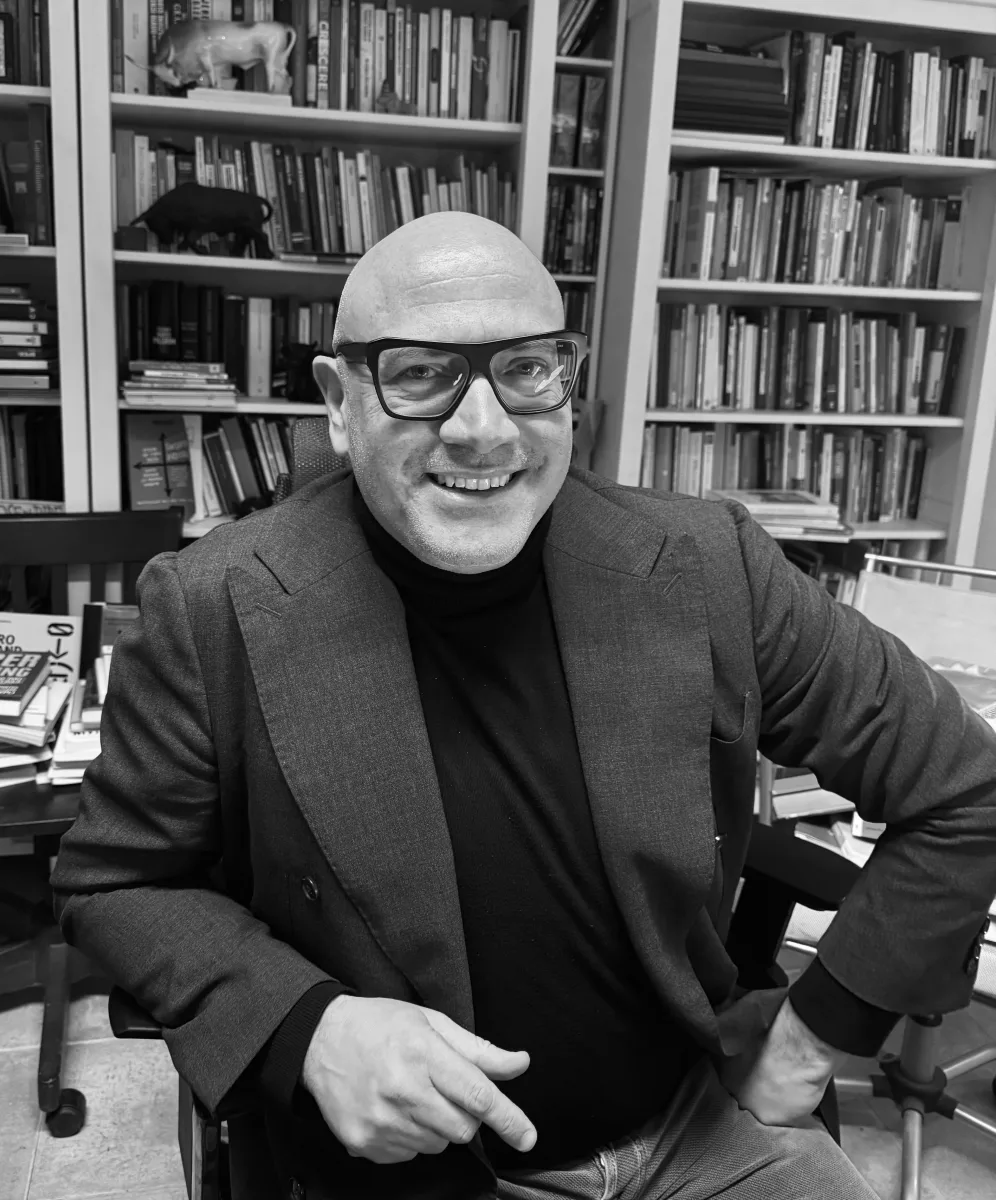
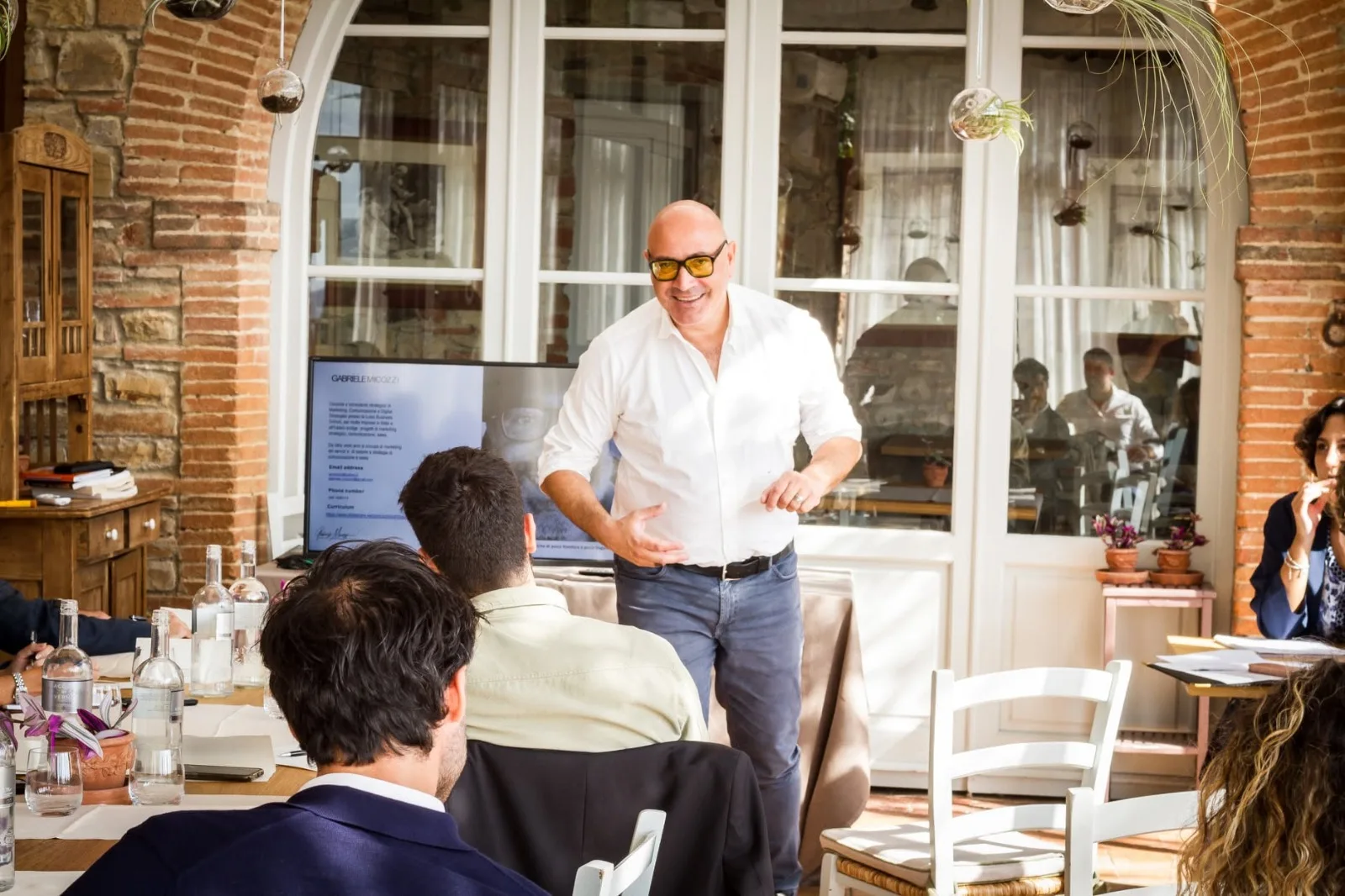
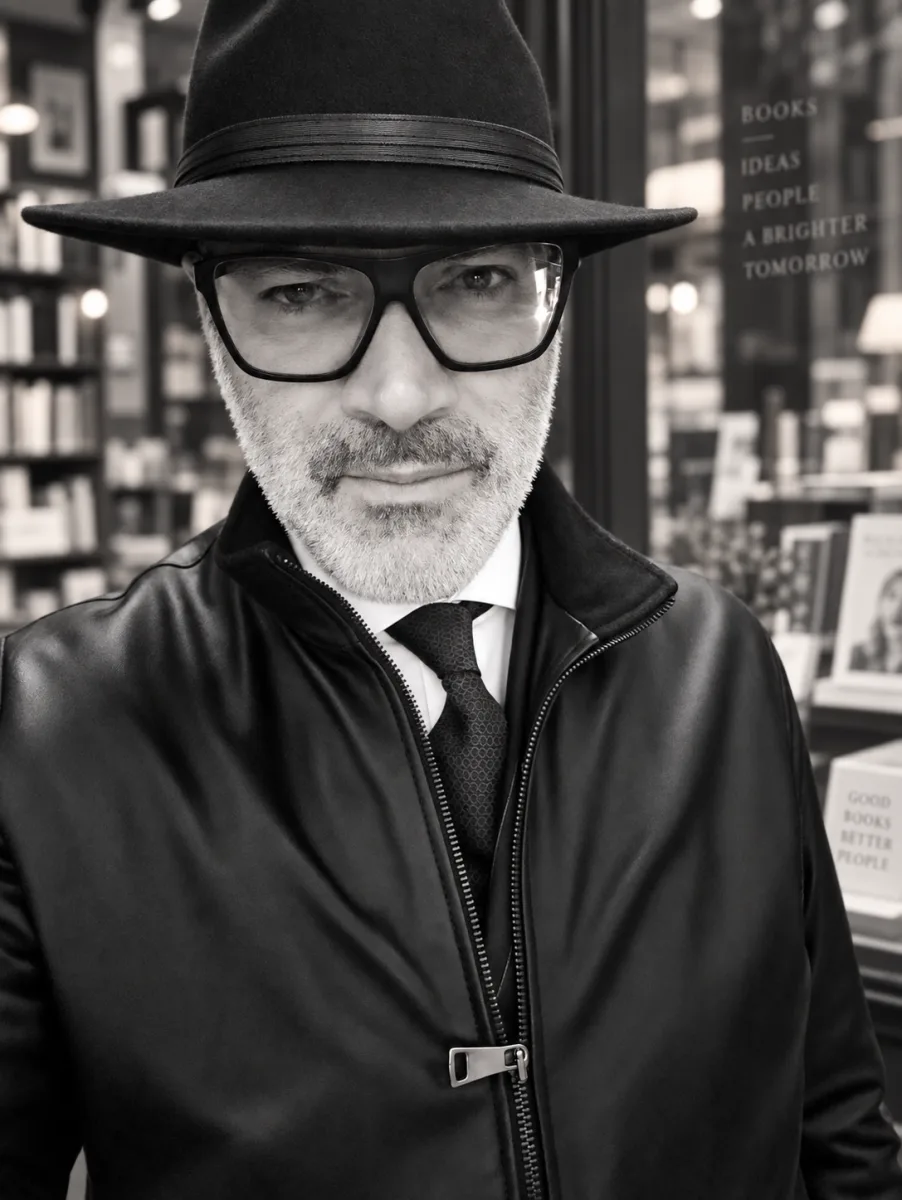
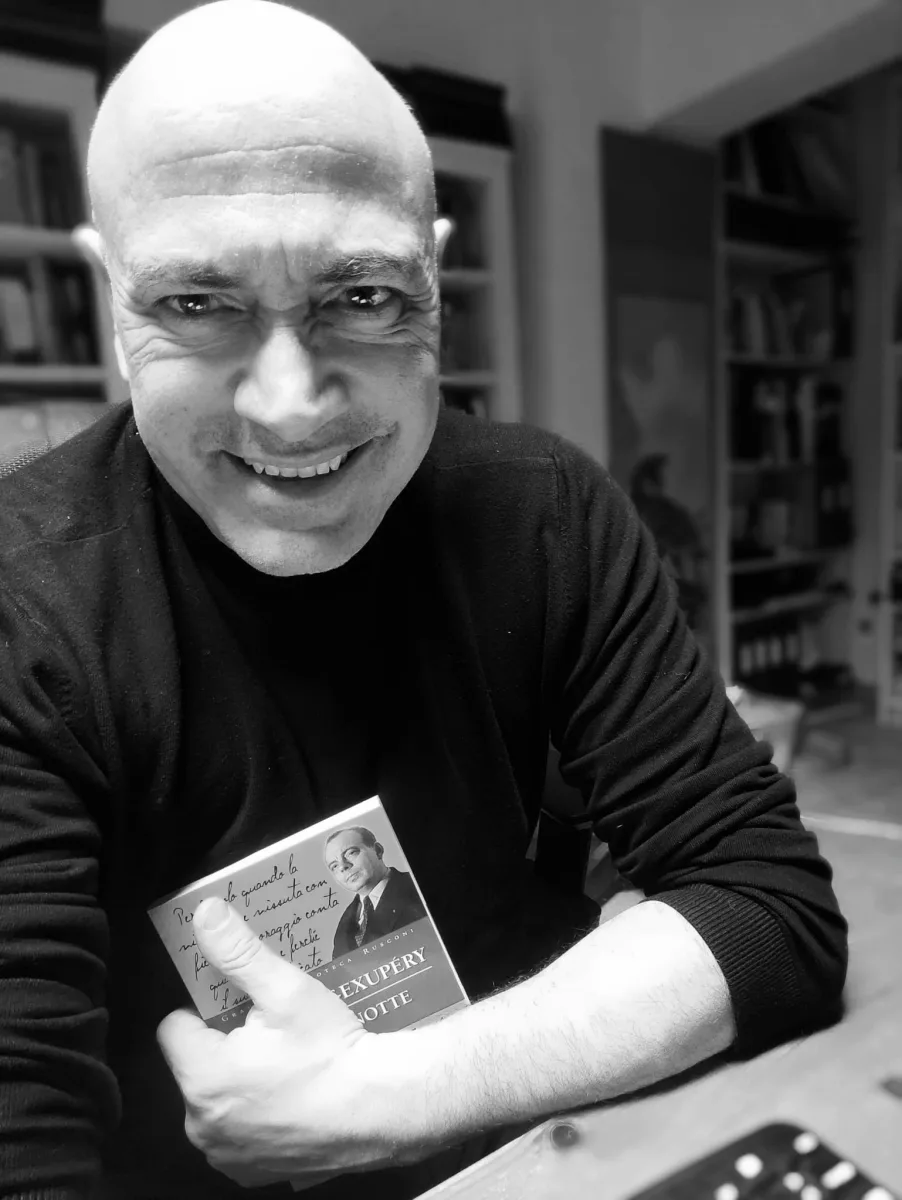
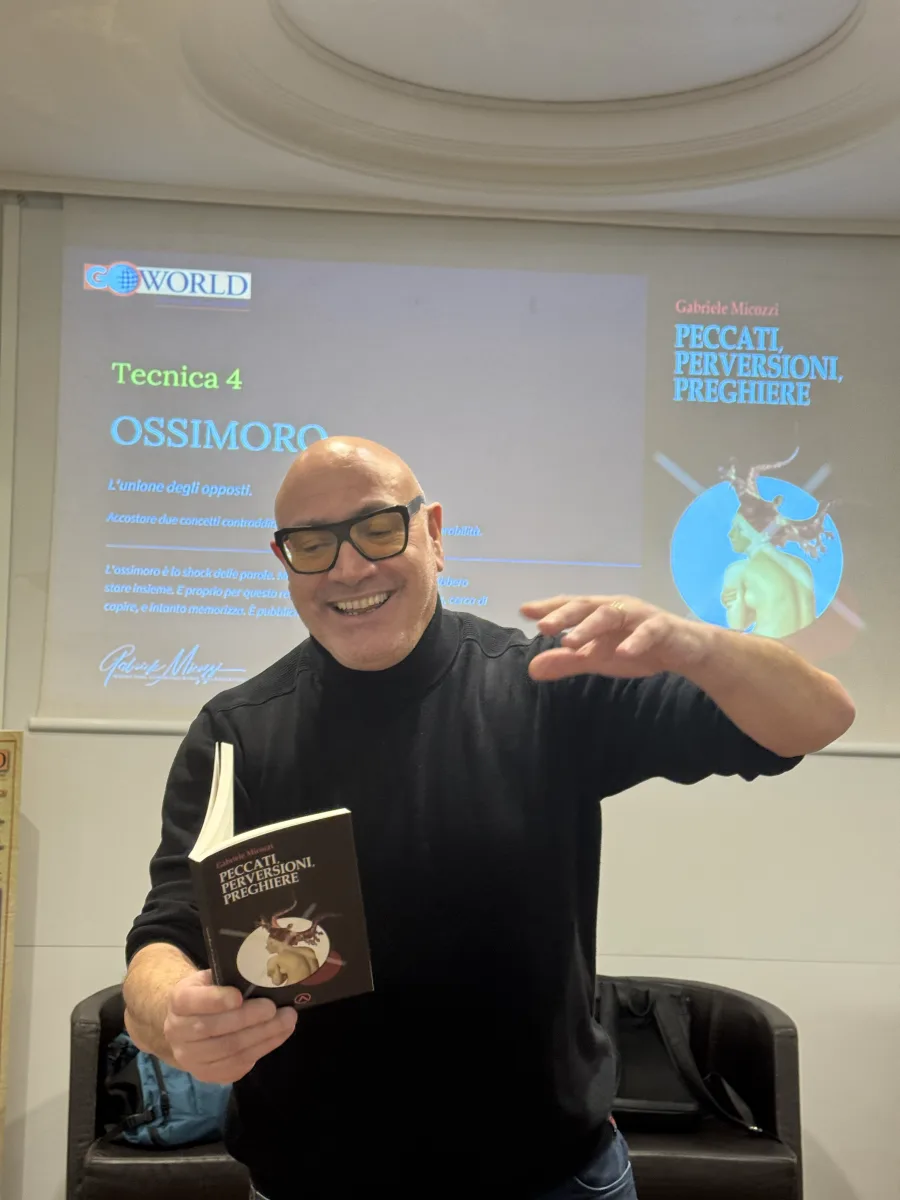
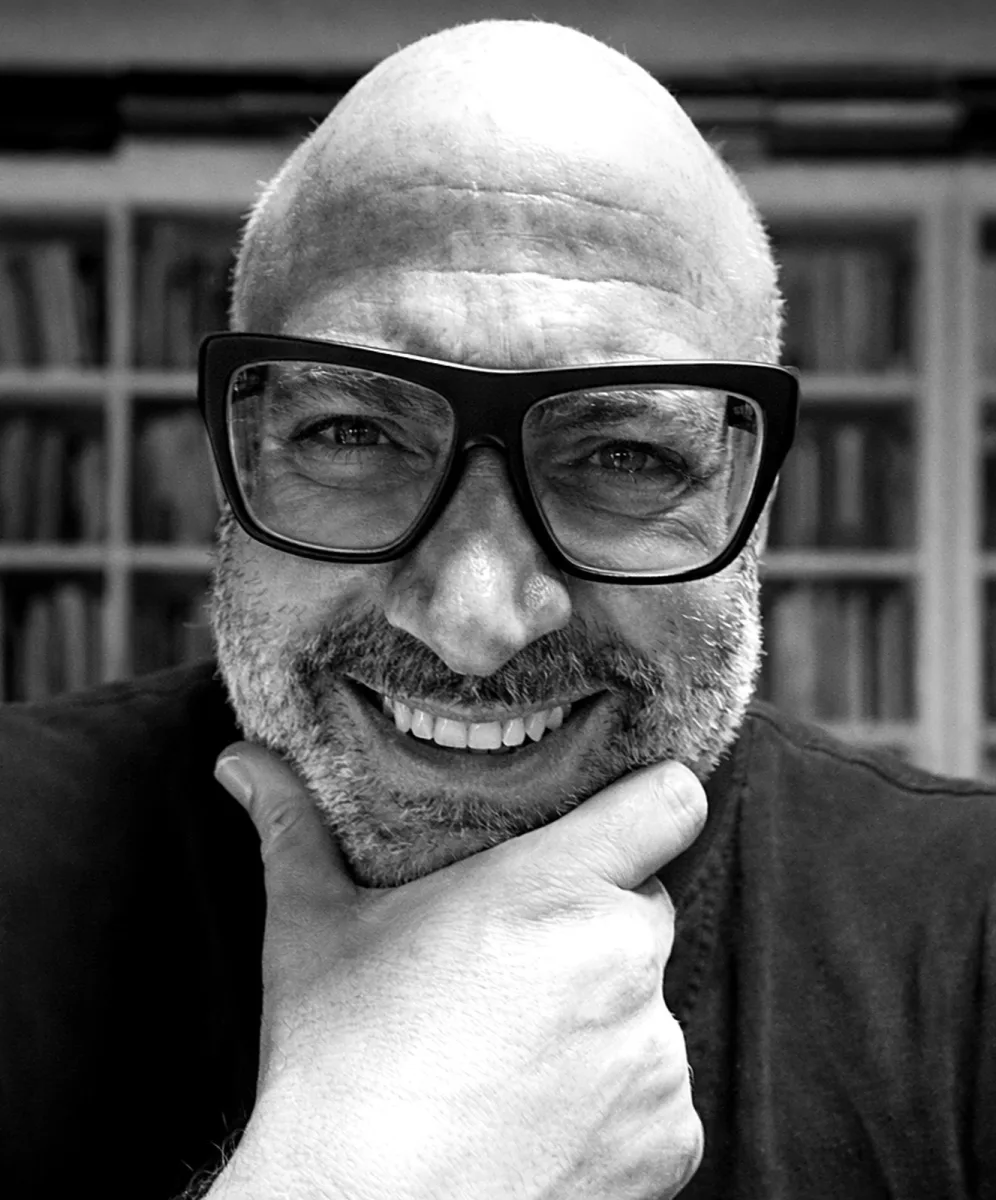
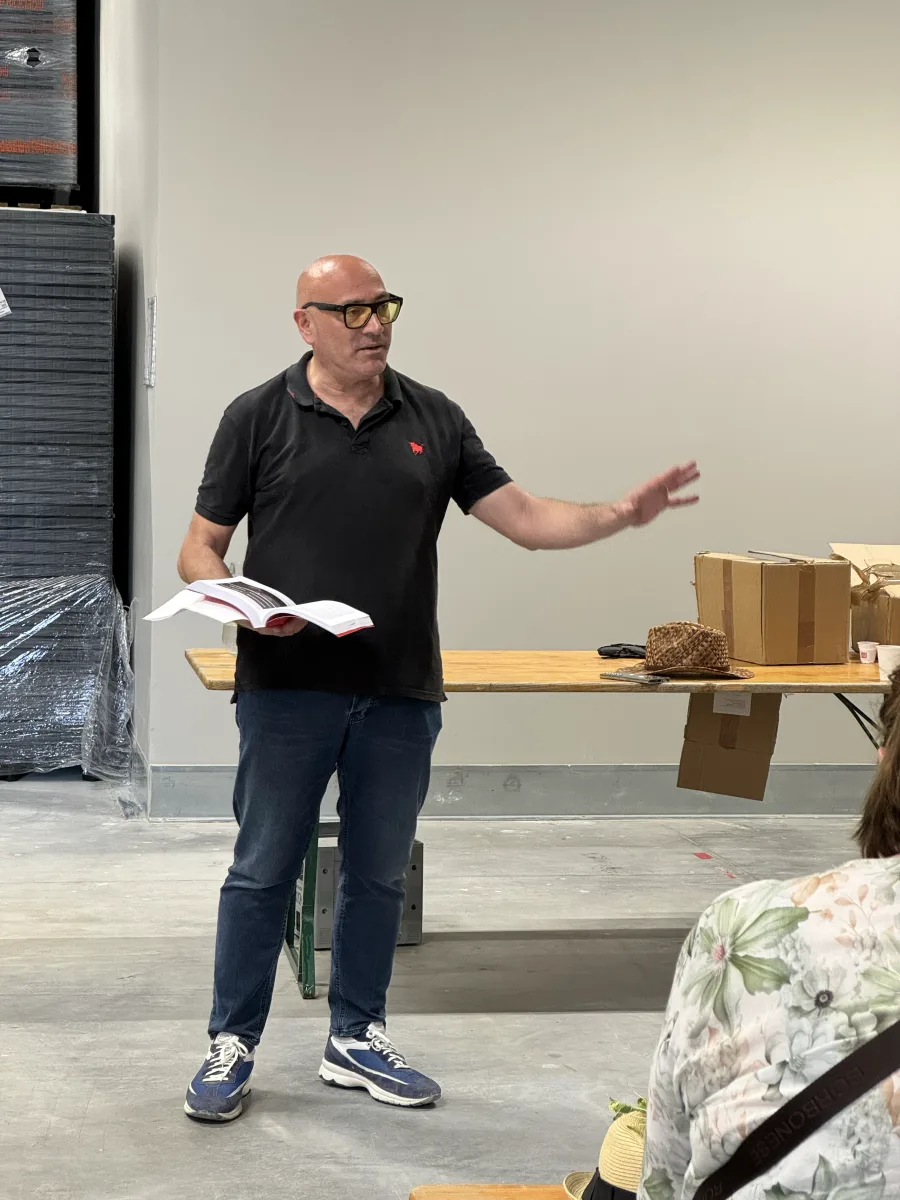
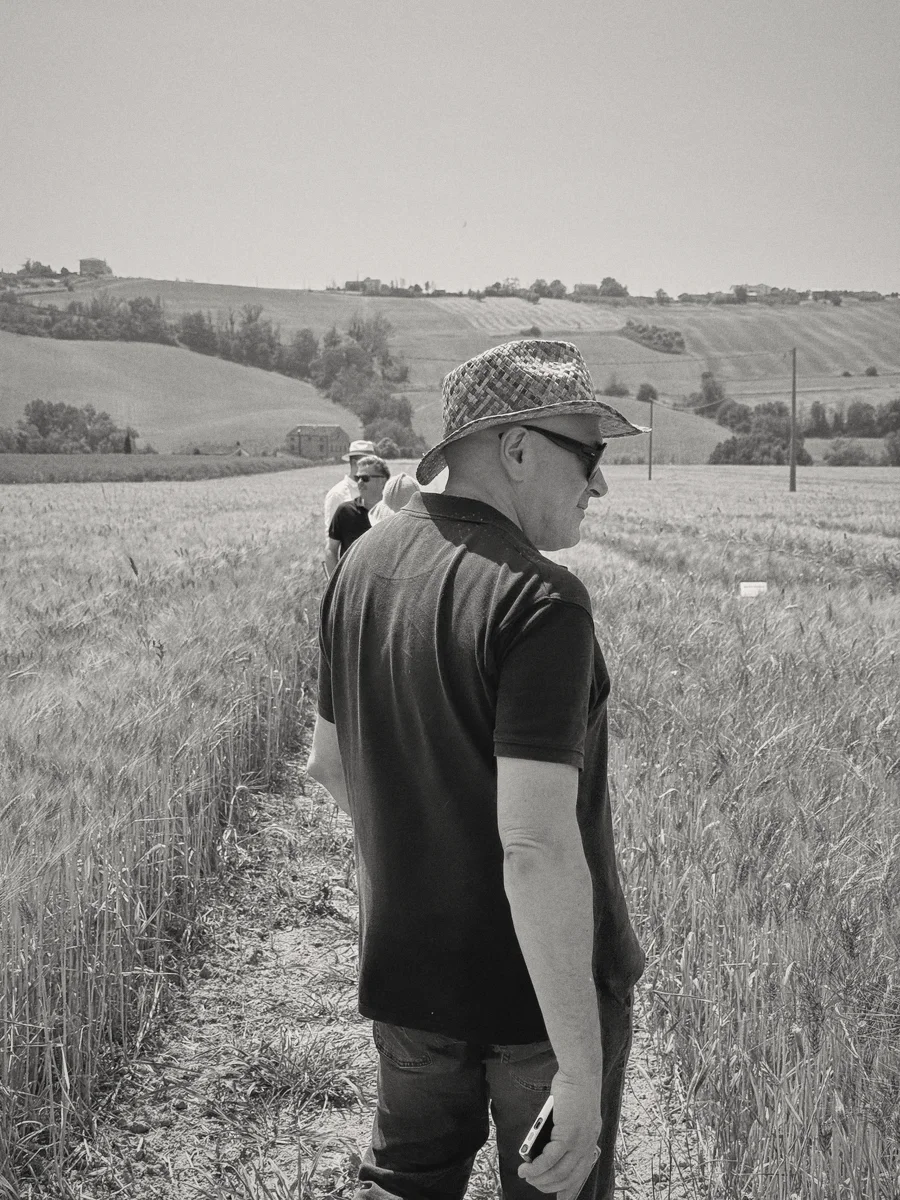
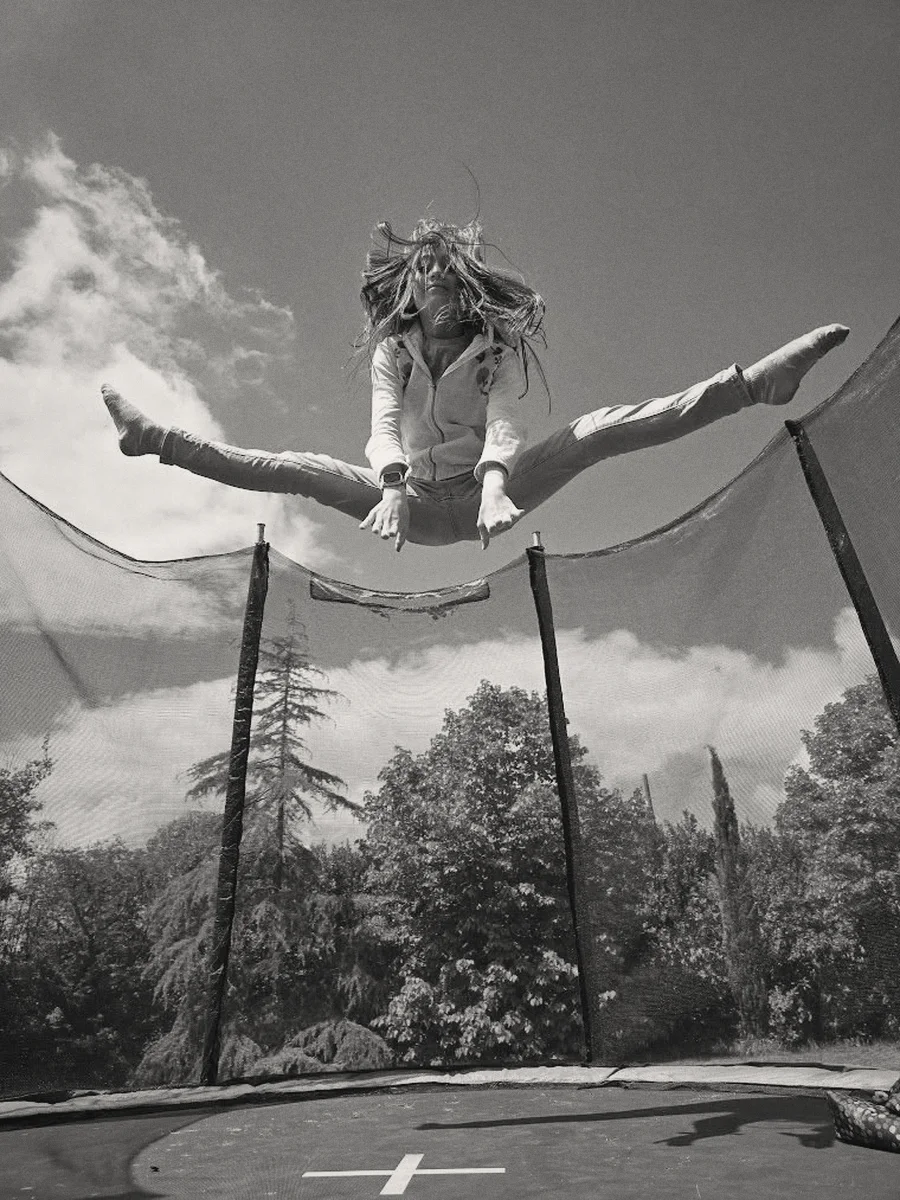
I live between the sky and the sea, where Monte Conero catches fire with strawberry trees. I study words the way you look at plants up there: starting from the root.
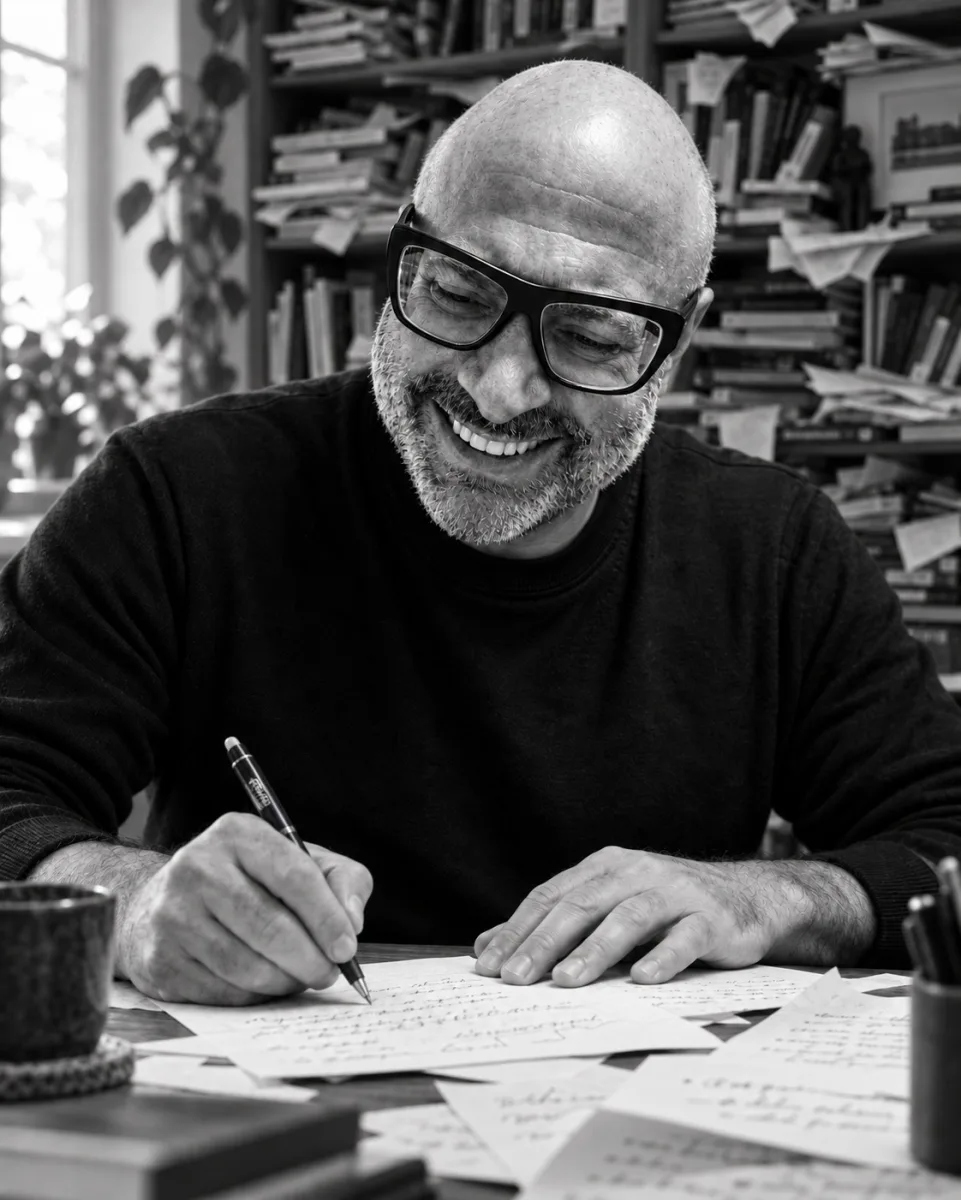
I always write to save myself. I write about the prisons where a man turns into a beast, and about the beasts that one night hand his humanity back to him. I take care of what is different, weak, rare, fragile — what an orderly world calls waste. Against standardisation I set what I have seen the earth do when it is left in peace: many species, many languages, many forms, and more than one life inside every person.
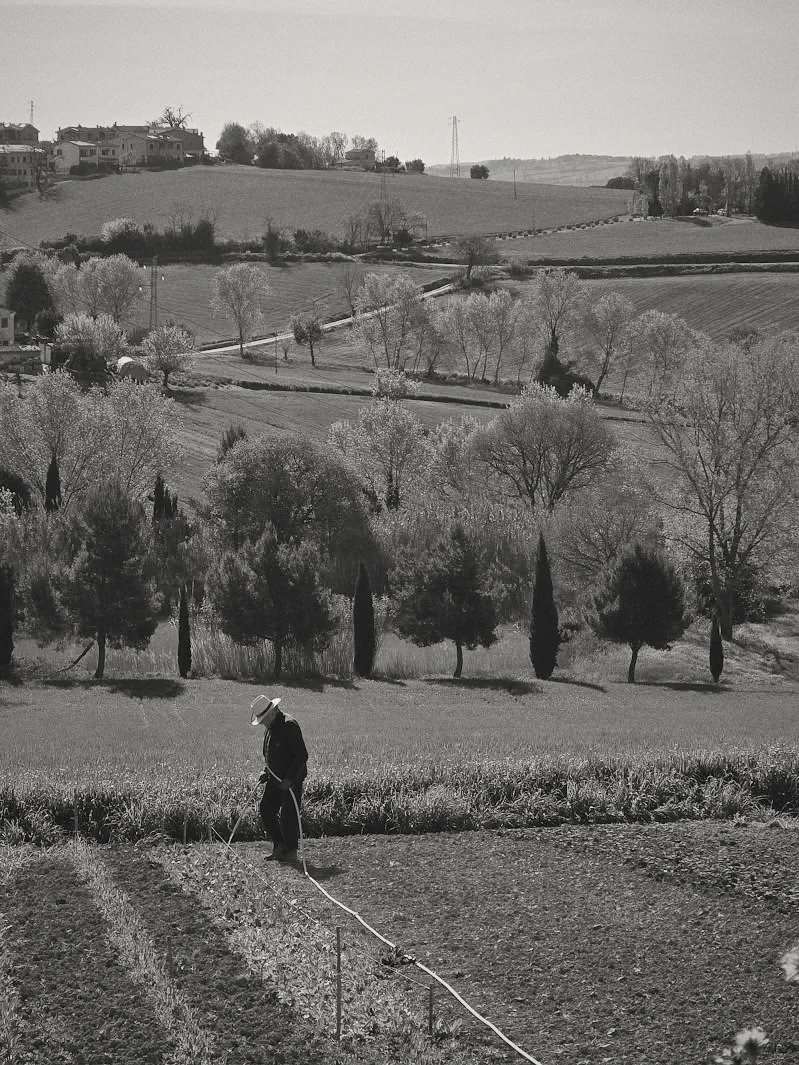
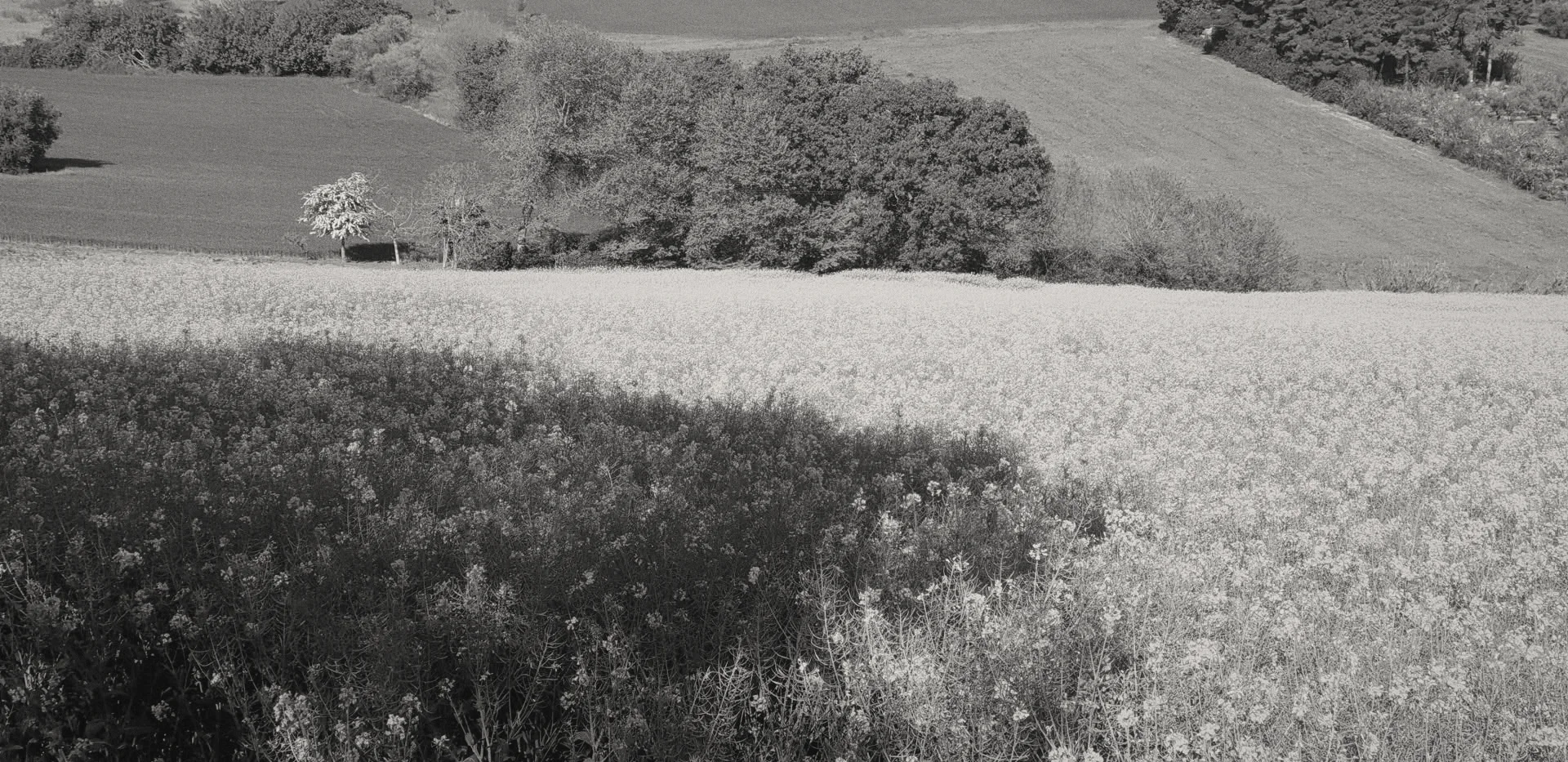
I learned the hills from Mario Giacomelli, who photographed them from above like written pages; erasure from Emilio Isgrò; doubt from Kafka. From cinema I took two things I have not given back: metamorphosis from Miyazaki, and from Wenders the way of looking down at people without judging them. I love countless others, and I would want a whole life for each of them.
I cannot keep the forms apart. I set the verse beside the essay, the camera angle beside the lines the fields draw on the hills; if I could, I would put sound in the poems too. Out of this come civic and ecological verse, essays reaching for a horizon, stories and novels of metamorphosis: towards hell, or towards the light.
I have faith in human beings. It is the one thing I cannot document.
Press bio
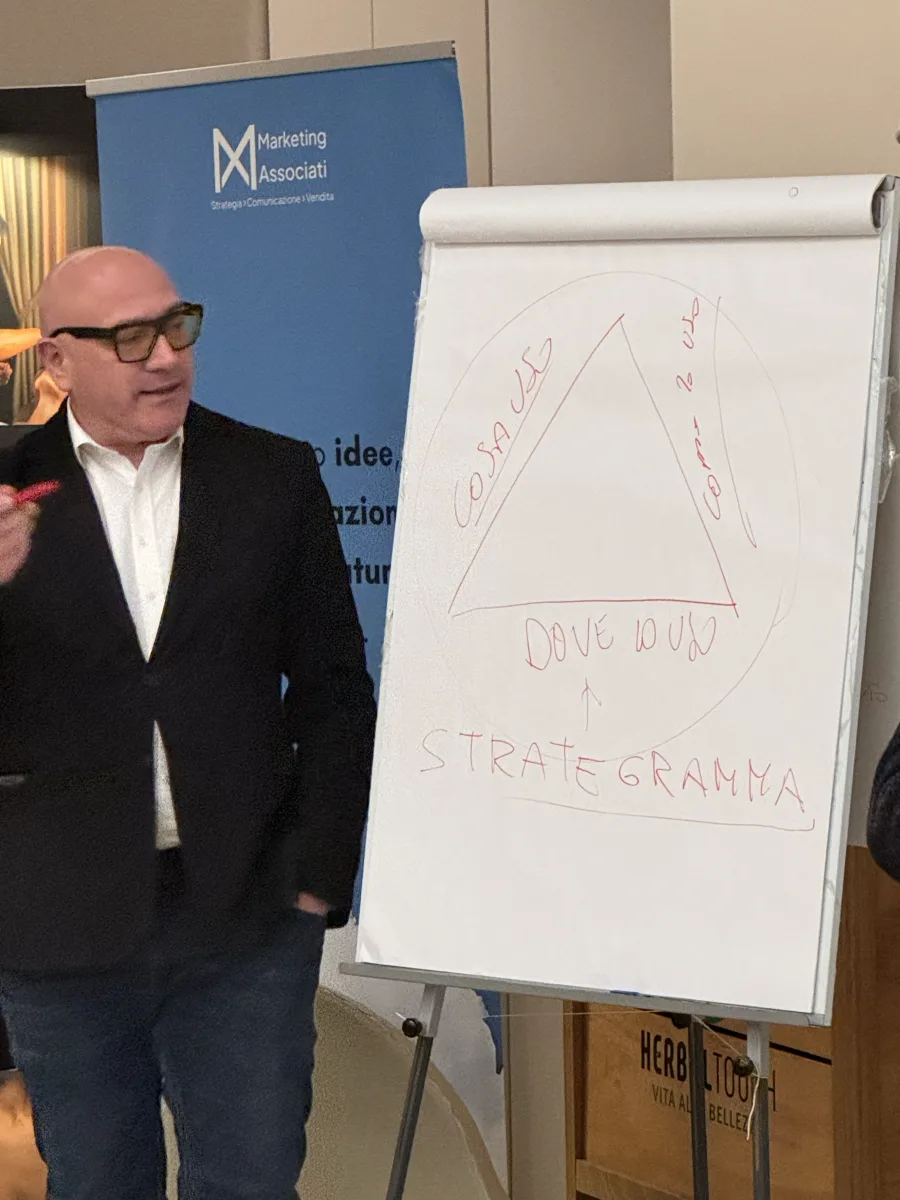
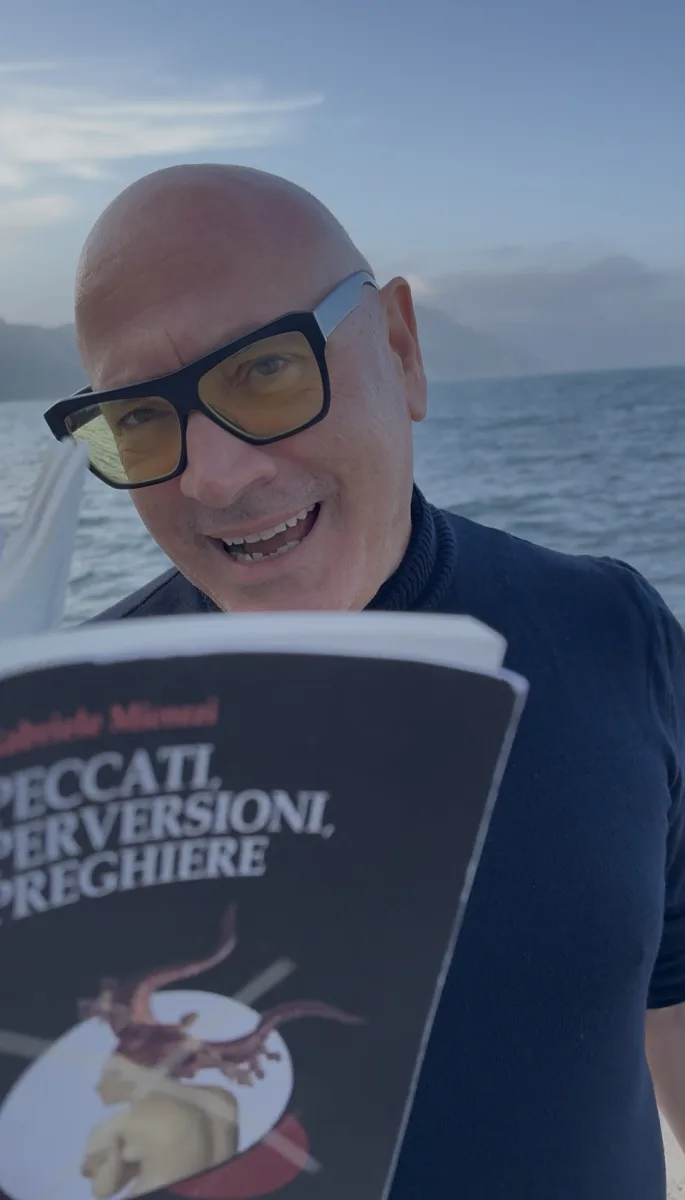
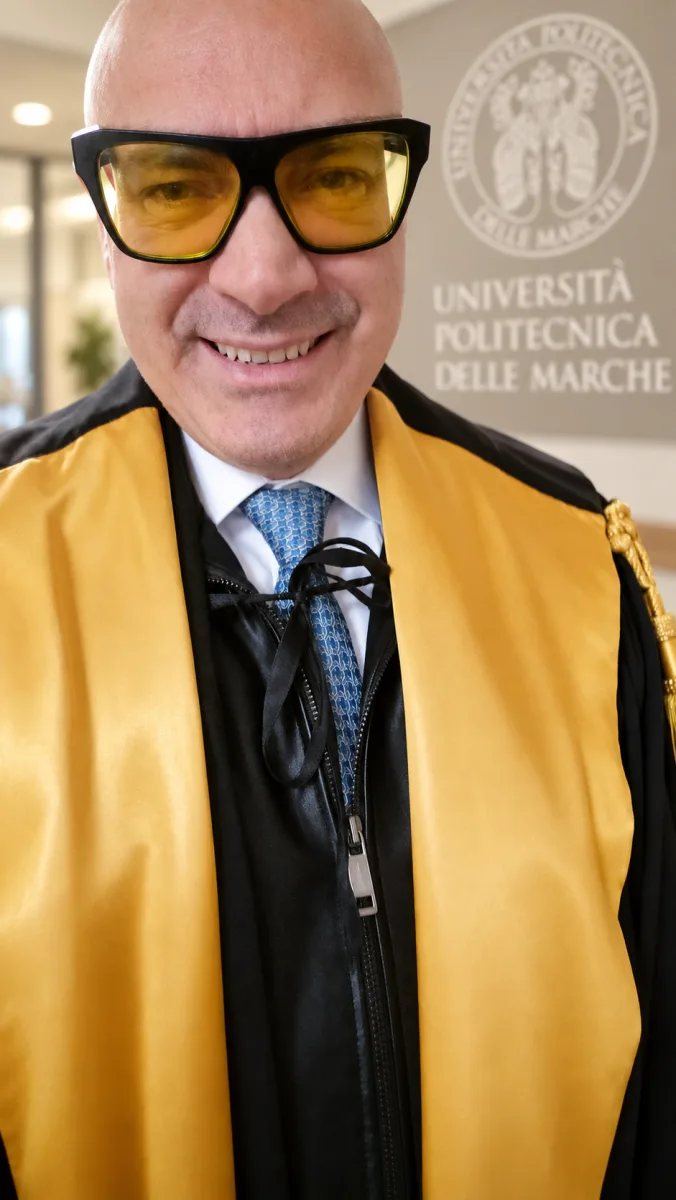
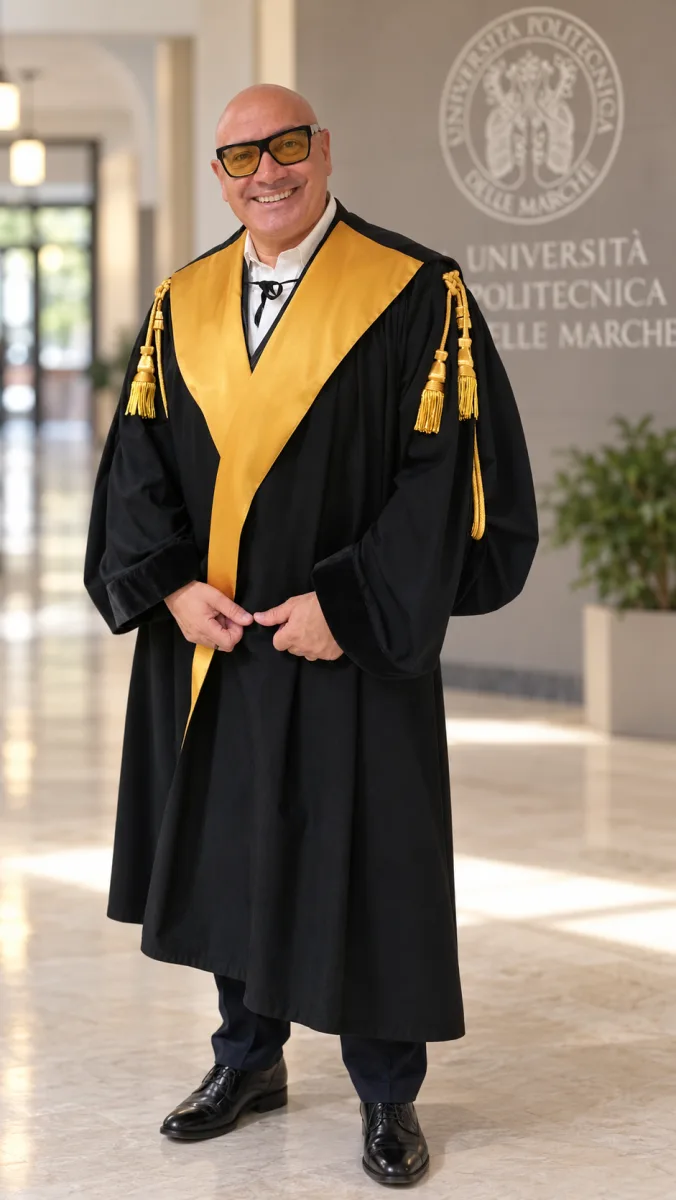
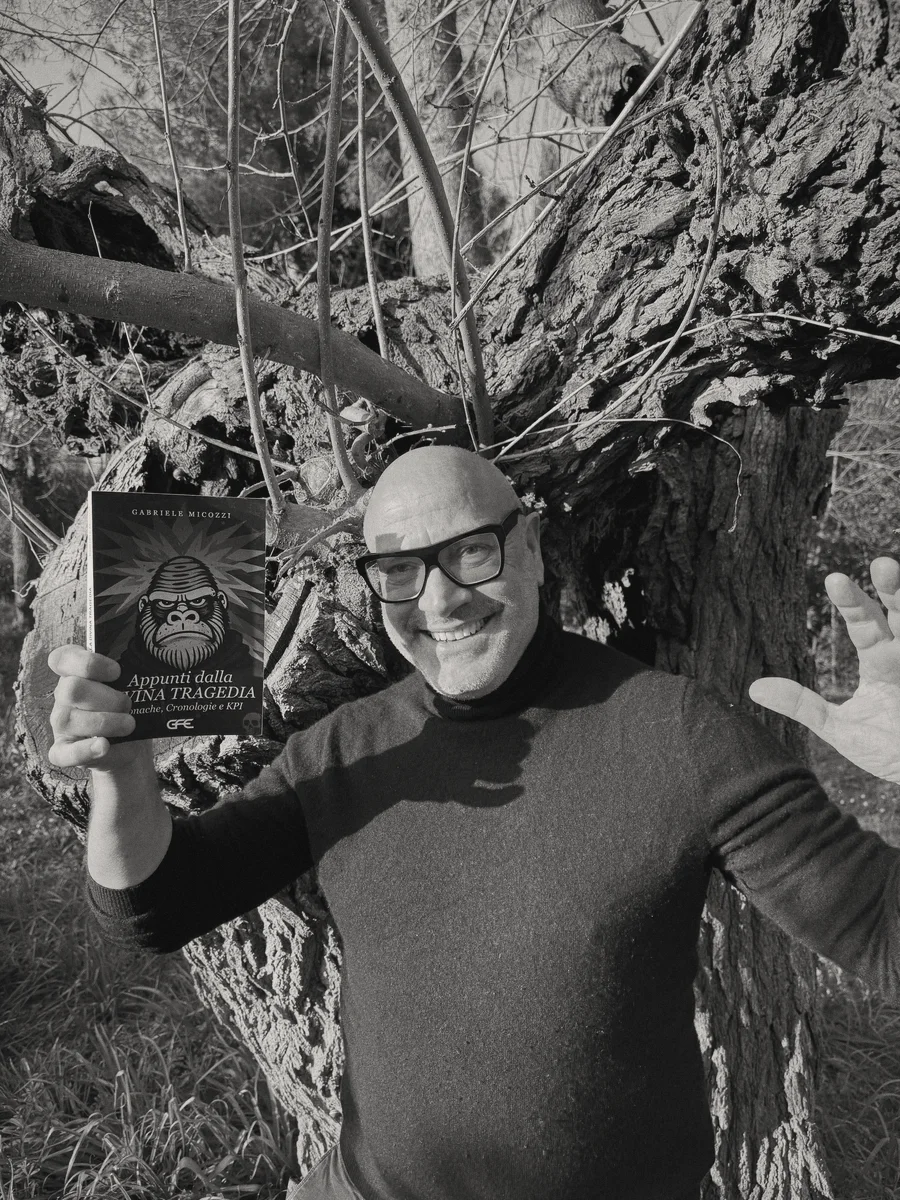
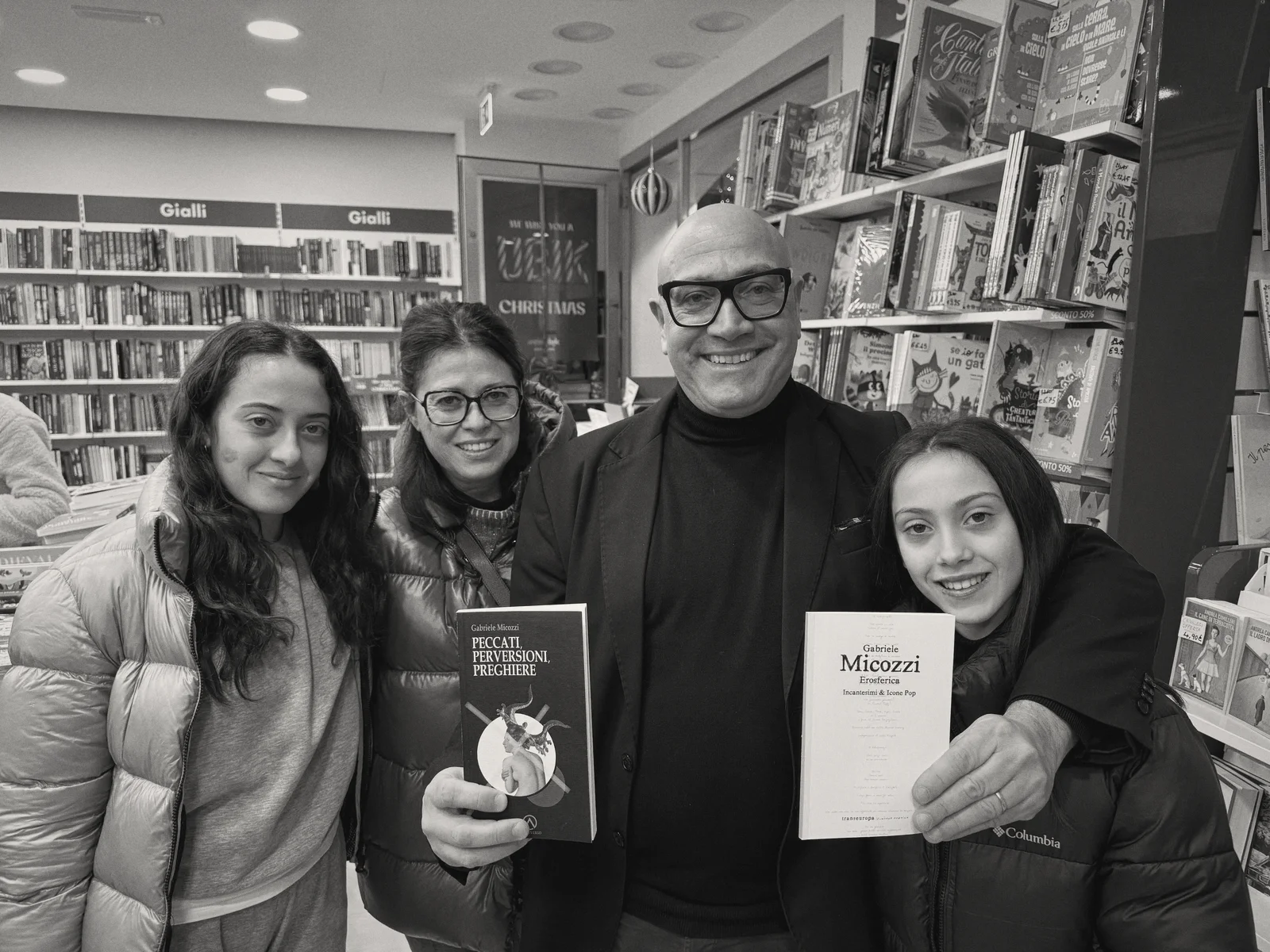
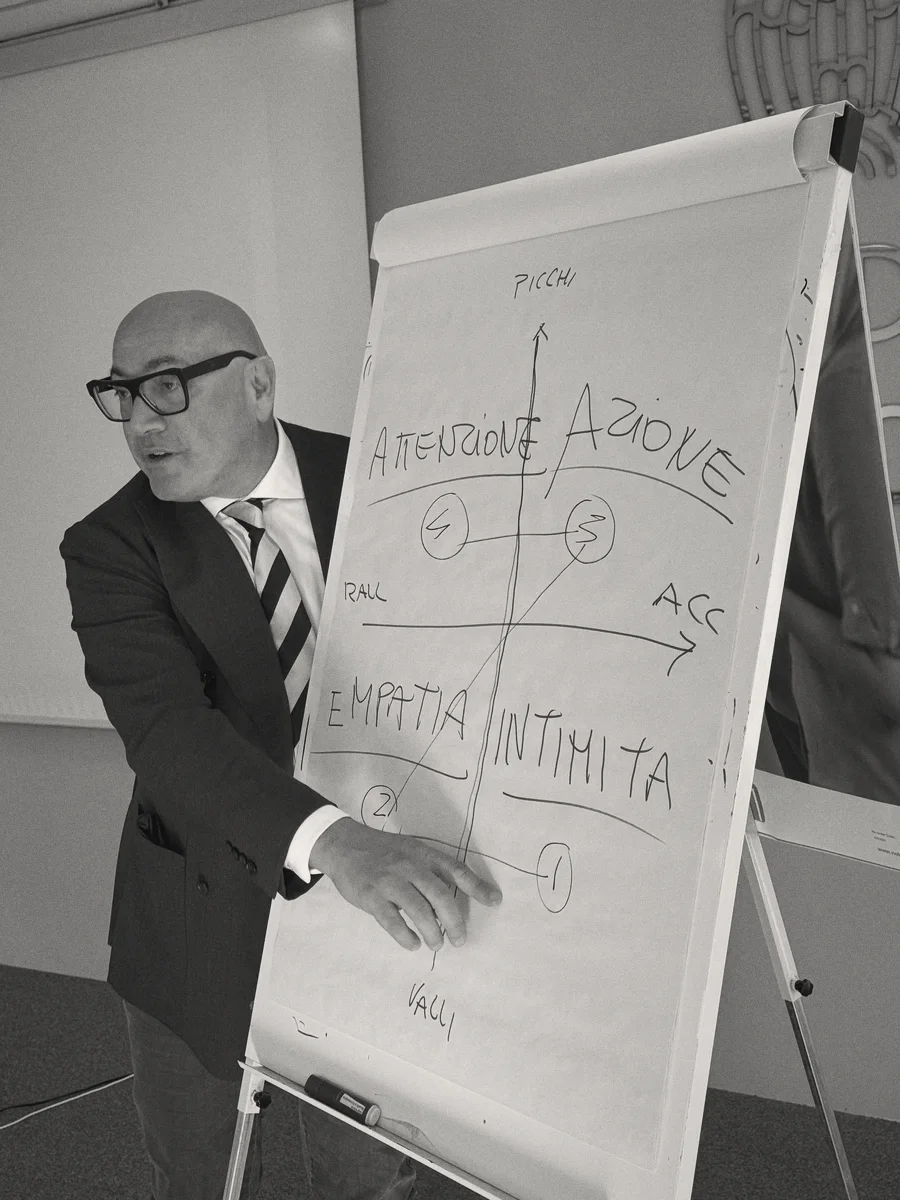
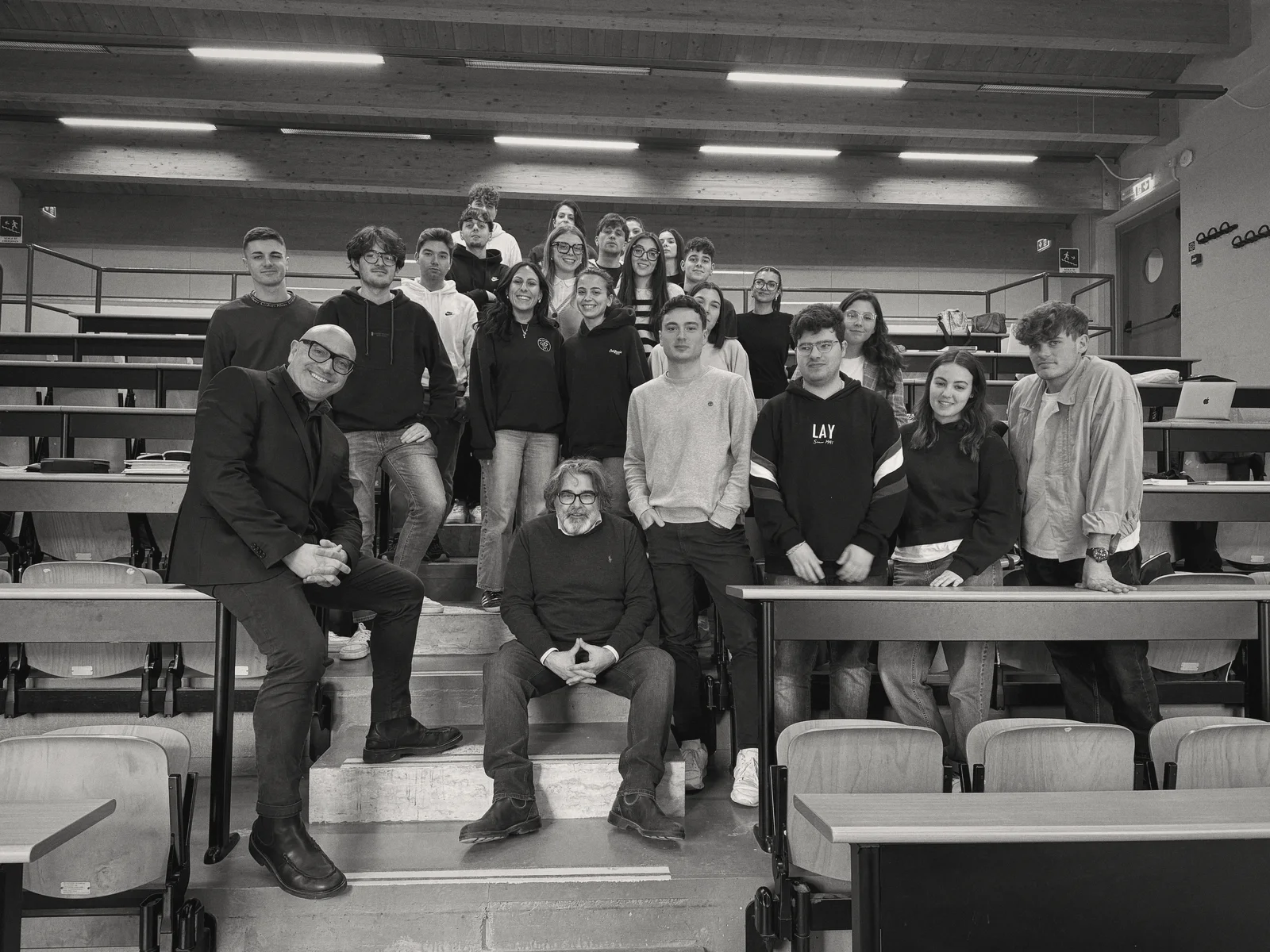
Gabriele Micozzi is a poet, fiction writer and essayist. He lives between Milan, Rome and the Marche. In 2026 the American journal ballast built an entire issue around his experimental work. His writing has appeared or is forthcoming in sixteen countries, in Asymptote, Bellevue Literary Review, Strange Horizons, American Poetry Journal, The Intima, Cha (Hong Kong), Kitaab (Singapore), Poetry Lab Shanghai (in Chinese translation), Ta Adesa (Ghana) and The Wise Owl (India); his visual poetry in Cathexis Northwest Press, 34thParallel and Double Dutch (Netherlands). He is among the Pushcart Prize nominees of Open: Journal of Arts & Letters and was selected for the Bath Flash Fiction Award 2026. He has published the collections Peccati, Perversioni, Preghiere (AttraVerso), Erosferica (Transeuropa) and Appunti dalla Divina Tragedia (GFE). He teaches at LUISS Business School in Rome.
Issued 6 October 2026 · unstamped paper
Certificate of existence in life
This is to certify that the human being, as of today, is still present.
Issued in poetry, in fiction, in essay and in image, for all uses permitted by hope.
Gabriele Micozzi
01 / 31
Where he has been published
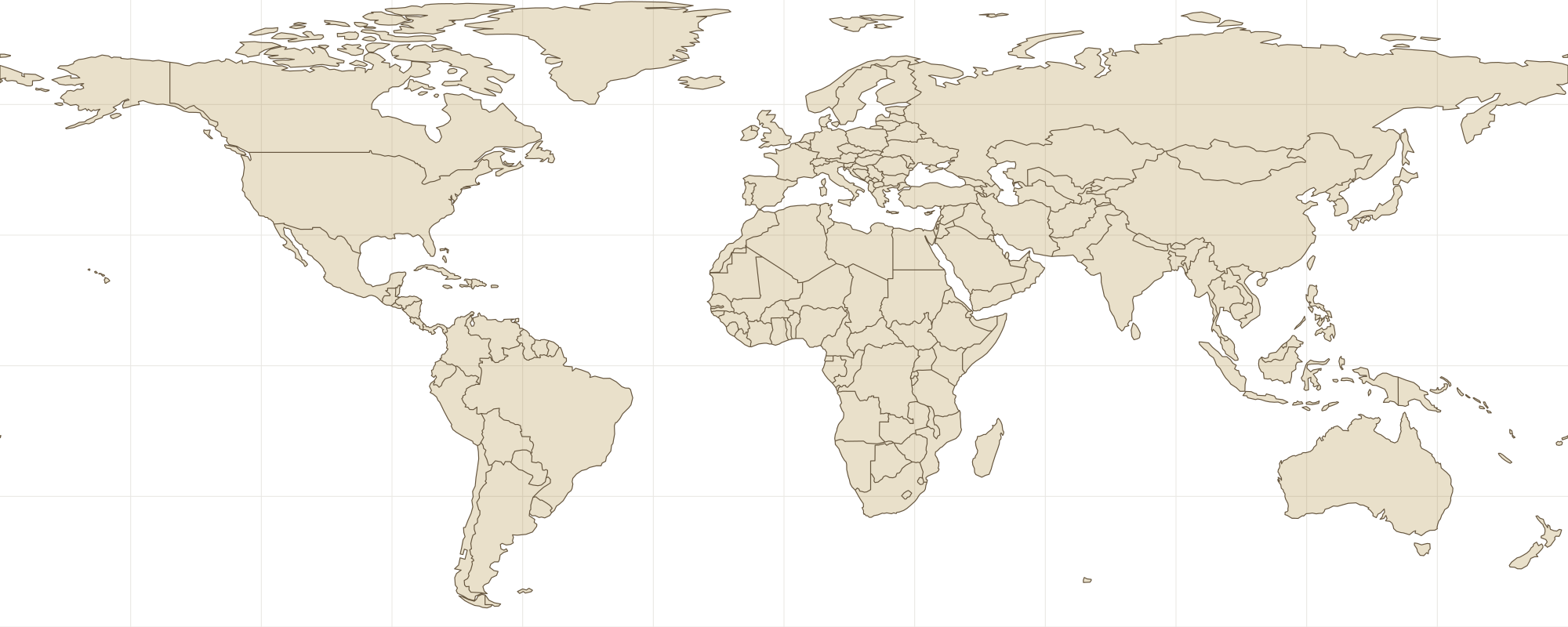
Hover over a dot — or tap it — to see the magazines
New York · Pawling, New York · Wayne, Pennsylvania · United StatesThe Intima · Gotham Literature · BALLAST Journal · Arteidolia · Bellevue Literary Review · American Poetry Journal · ONE ART
Great Falls, Montana · United StatesOpen: Journal of Arts & Letters
San Antonio, Texas · United StatesVoices de la Luna
United StatesSpace and Time Magazine · The Literary Hatchet · parABnormal Magazine · Hare's Paw Literary Journal · Heavy Feather Review · Cathexis Northwest Press · 3Elements Review · HEXFILED · and 4 more
Parigi · France34thParallel Magazine
Londra · Nottingham · Bath · United KingdomThe Ecological Citizen · M58 · Bath Flash Fiction Award
United KingdomStrange Horizons · Griffel · Ink Sweat & Tears
Berlino · GermanyBeyond Queer Words
Steenbergen · NetherlandsDouble Dutch magazine
Højby · DenmarkTOB (The Other Bunny)
ItalyProelioLab · Rivista BLAM · Il Paradiso degli Orchi · The Open Doors Review · Risme · Offline · Terranullius · Cohibeo · and 6 more
MexicoCardenal
Taipei · TaiwanAsymptote
Shanghai · ChinaPoetry Lab Shanghai
Hong Kong · Hong KongCha
Singapore · SingaporeKitaab
JapanKaidankai
Nuova Delhi · IndiaThe Wise Owl
Melbourne · AustraliaHorror Sleaze Trash
GhanaTa Adesa
CanadaWILDsound / Novel Writing Festival
NigeriaAfrican Writer Magazine
Gabriele Micozzi
Manifesto · 2026
White bullinvocation
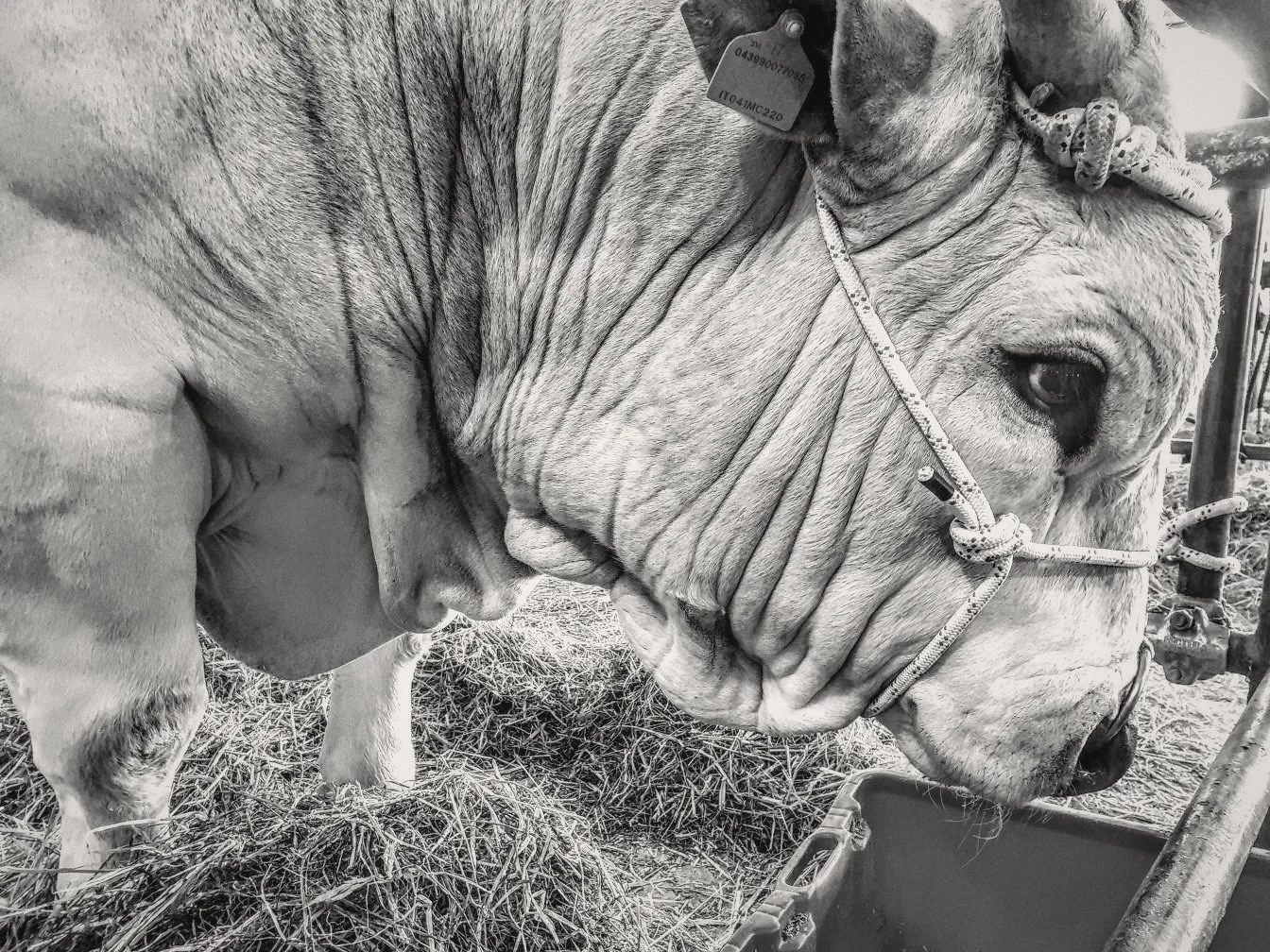
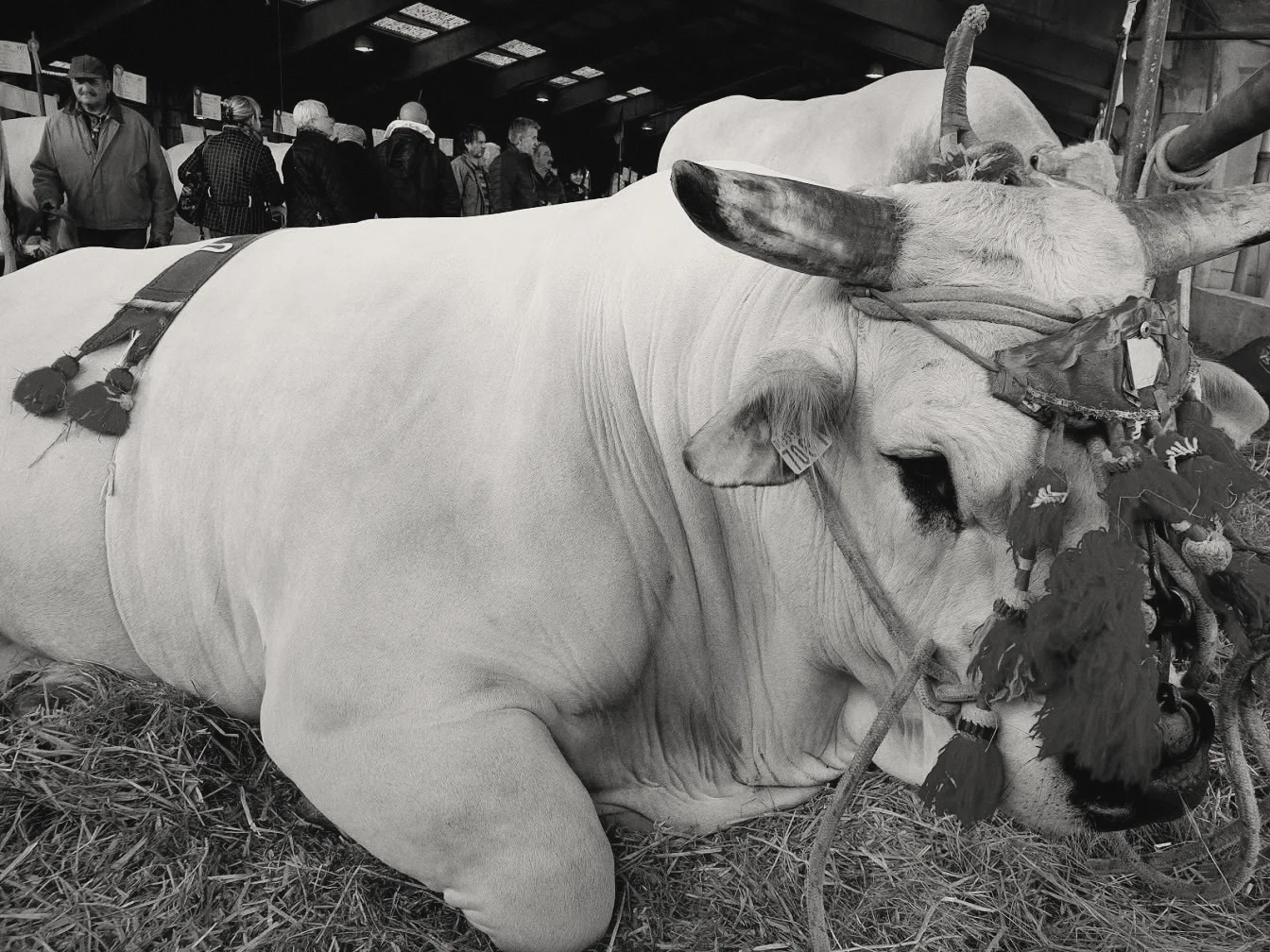
The bull does not dominate. It carries the weight without turning it into violence.
Before the Word
Before the Word, the weight. After the weight, the furrow. The hill is a furrow that has learned to stay.
Blood · Sweat · Sex · Stubbornness
Let someone cast a seed in it and call it tomorrow.
gabrielemicozziautore.com
For all uses permitted by hope
I write about the places where human beings are administered. An office where a person becomes a case file. A sea where a name becomes a landing number. A mountain where ice is entered in the books as an ordinary loss. They are quiet hells: they have opening hours, a protocol, an officer responsible for the procedure, and nobody raises their voice there. I know them: for years I too wrote documents that decided about people.
Then I began to write the people, and I discovered that the document was the right form, provided you betray it. I take a certificate, a report, a payslip, a map, and I put back into it what they had left out: a grandmother who stayed behind in the village, a fish last seen alive in 2003, a fear with no code. I call it applied word, the way we speak of the arts that work on objects of use. A disposal certificate can become an elegy. A thermometer can measure the fever of an age.
I was never able to stay inside a single form, and I stopped considering that a flaw the day I looked at a hill planted with one species only. It yields more, it is easier to count, and it dies all at once. There are many things to be saved and each asks for its own instrument: poetry when precision is needed, the short story when a whole life is needed, the essay when power must be called by its name, the image when words alone would lie. I gave that necessity a name: Literary Biodiversity. It concerns pages and it concerns people, who have more biographies than any system is willing to record.
Whoever reads me finds a great deal of violence, destruction and indifference. I would like them to find also the reason why I write it. One denounces only what one believes can change; the rest is handed over to silence. In every one of those hells, at some point, somebody does something the procedure does not provide for. Holds a door open. Says a name out loud. Breaks bread. Teaches someone else the sky. I write to reach that gesture, and all the darkness that comes before it is the road.
The pact
I owe three things to whoever reads me. The figures I quote are true and can be checked. The real people I write about — those who died at sea, the grandmothers who stayed, the laid-off — are not used: they are named. And no page is written to please the power it describes.